The 2026 PHBS Think Tank Forum, themed “Innovation, Employment, and Income Growth,” took place at Peking University HSBC Business School (PHBS) on June 13. Co-hosted by PHBS and the China Economic Journal (CEJ), the event brought together over 180 participants from academia and industry. The forum was moderated by Ren Ting, Party secretary and associate dean of PHBS, and deputy director of the PHBS Think Tank.
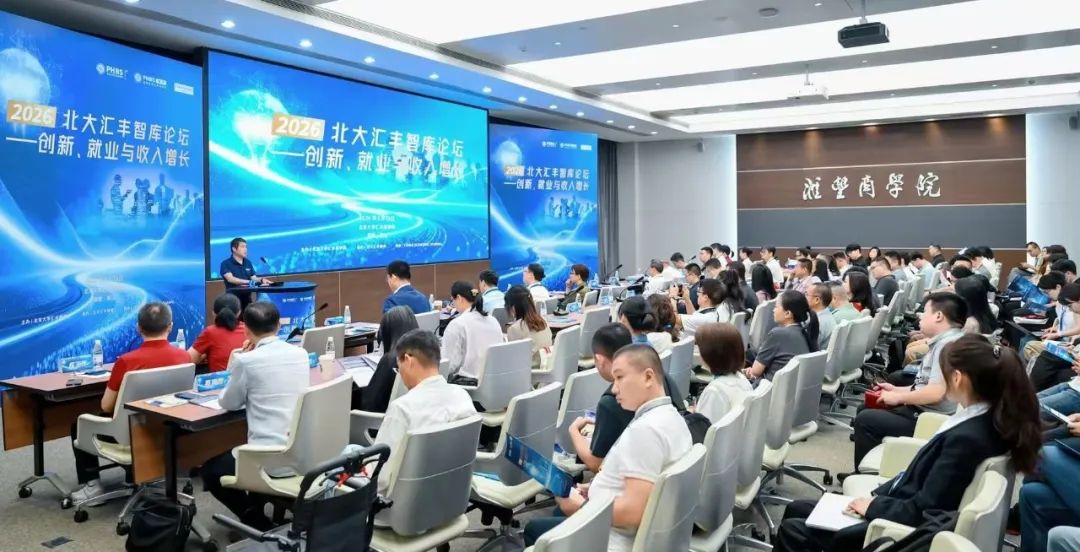
Forum Scene
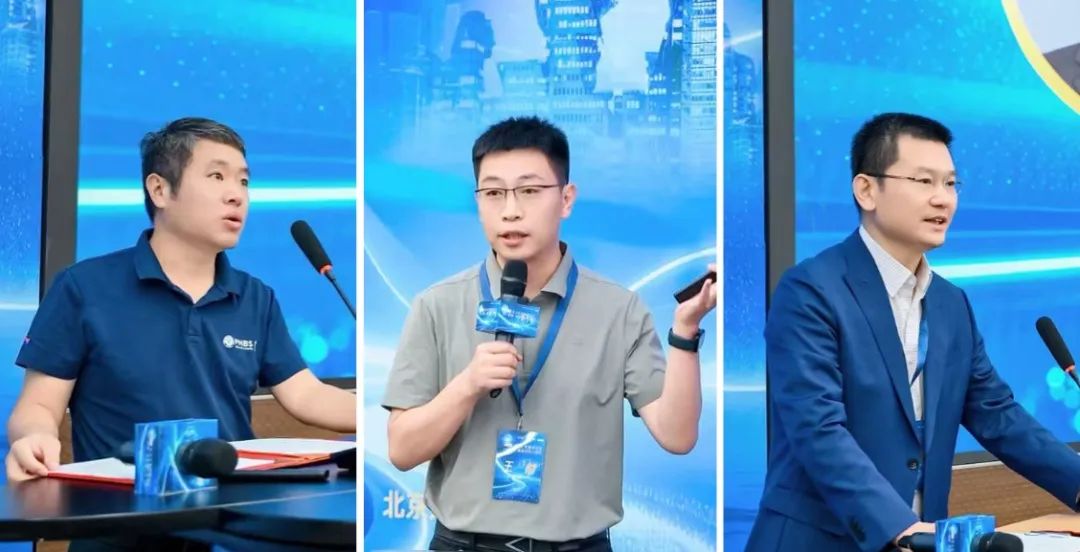
From left to right, Wang Pengfei, Wang Xun, and Ren Ting
Wang Pengfei, Boya Distinguished Professor at Peking University, dean of PHBS, and deputy director of the PHBS Think Tank, delivered the opening remarks. He noted that the PHBS Think Tank focuses on key areas including macroeconomics, financial reform, international trade, investment policies, and the sustainable development of the Guangdong-Hong Kong-Macao Greater Bay Area. He hoped that the forum would translate academic findings into actionable policy solutions, and contribute to high-quality economic and social development.
Wang Xun, an associate research fellow at the National School of Development (NSD) at Peking University, director of the Think Tank Center at NSD, and co-editor of CEJ, pointed out that the journal explores hotspot issues in China's economic development and welcomes submissions of academic papers, review articles, and policy commentaries.
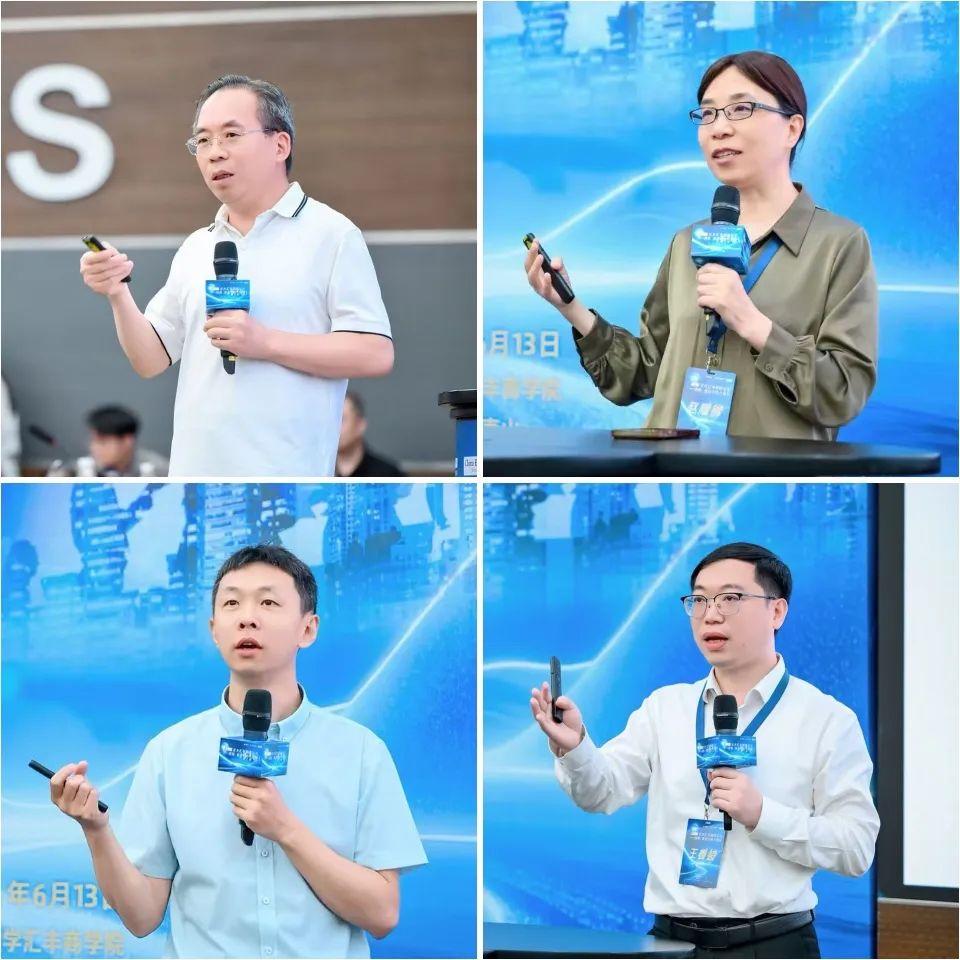
From left to right, top to bottom: Liu Shangxi, Zhao Yaohui, Li Lixing, and Wang Chunchao
Liu Shangxi, a member of the National Committee of the Chinese People's Political Consultative Conference (CPPCC) and a researcher and former president of the Chinese Academy of Fiscal Sciences, delivered a keynote titled “How to Follow the Mega-Trends.” He highlighted six irreversible mega-trends—digitalization, green transformation, financialization, urbanization, aging, and the new phase of globalization—arguing that China must align its macro policies and reform agendas with these trends to unlock stronger endogenous growth momentum.
Zhao Yaohui, professor at the Dong Fureng Institute of Economic and Social Development at Wuhan University, spoke on “Trends in Elderly Income in China.” She noted that the real income of China's elderly population more than doubled between 2011 and 2021. While urban income growth was driven primarily by pensions, the increase in rural areas was largely due to labor income. However, the absolute urban-rural income gap widened during this period, mainly because of growing disparities in pension benefits.
Li Lixing, professor of economics at NSD, Boya Young Scholar at Peking University, and director of the China Center for Public Finance Research at Peking University, presented a keynote titled “Employment in the Age of Artificial Intelligence.” He explained the transmission path of technological progress from innovation and adoption to organizational restructuring. He noted that artificial intelligence may replace repetitive and cognitive routine tasks, yet workers can maintain competitiveness by upgrading professional skills and embracing emerging occupations. Ultimately, demand will remain the core deciding factor for the job market.
Wang Chunchao, a standing committee member of the Party Committee and vice president of South China Normal University, delivered a keynote titled “How AI is Reshaping the Employment Landscape.” He suggested that governments should roll out targeted policies to facilitate career transition and support employment stability.
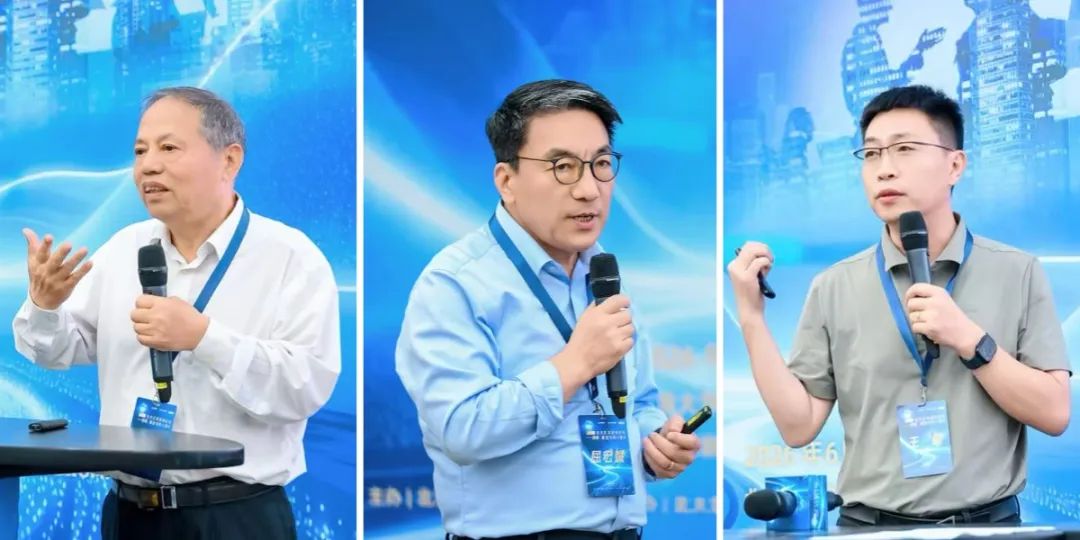
From left to right, top to bottom: Nan Ling, Qu Hongbin, and Wang Xun
Nan Ling, former president of the Shenzhen Institution of System Reform, shared field observations based on local practices in Shenzhen. Drawing on the Schumpeterian theory of innovation-driven growth, he explained how innovation fuels industrial upgrading, job creation and income growth through creative destruction.
Qu Hongbin, former chief economist for Greater China at HSBC and vice chairman of the China Chief Economist Forum, spoke on the effectiveness and implementation paths of boosting income growth for low- and middle-income groups. He argued that focusing on these groups is key to addressing insufficient consumption demand, providing necessary demand-side support for technological innovation, and optimizing the domestic-external demand structure to mitigate trade frictions. To achieve these goals, he called for the prompt implementation of a pension-doubling program for rural elderly and accelerated urbanization of migrant workers.
Wang Xun then delivered a speech on “Efficiency Improvement under High-Level Financial Opening-Up.” Based on the Impossible Trinity theory in international finance, he reviewed China's progressive financial opening-up and the development of its equity market. Citing the Stock Connect programs between Shanghai, Shenzhen and Hong Kong as examples, he demonstrated that financial opening can stimulate innovation, optimize capital allocation, and improve corporate operational efficiency. He called for further institutional opening-up in the financial sector, deeper financial reforms, and unwavering efforts to safeguard financial security.
Release of the 2026 GBA City Vitality Index
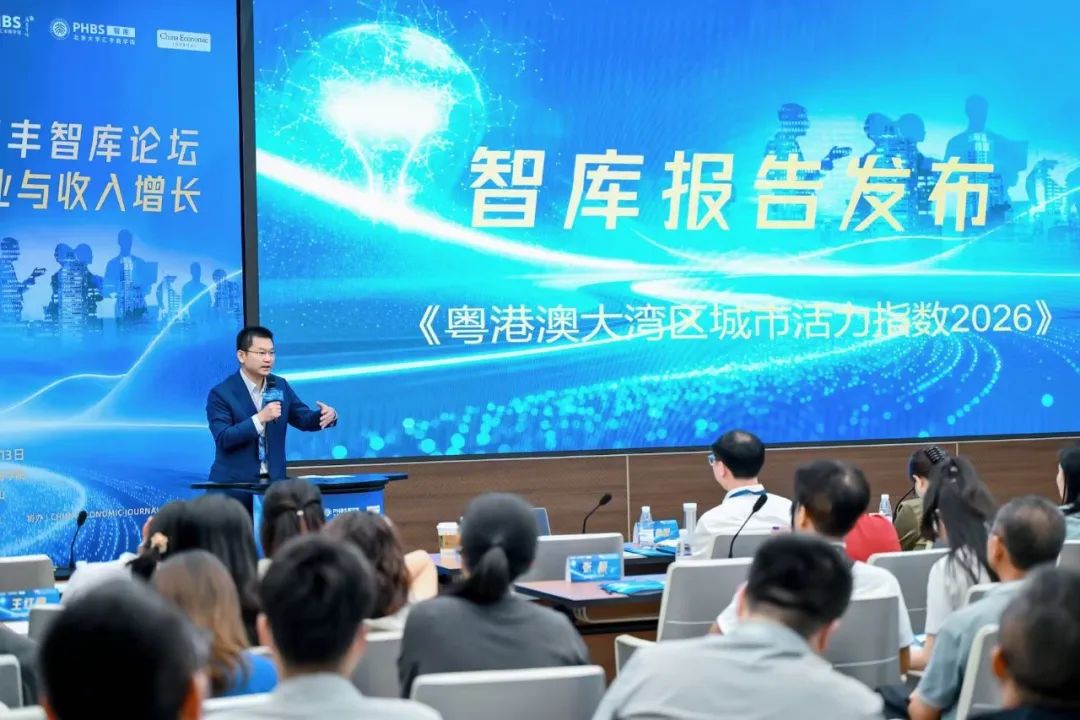
GBA City Vitality Index Released
The forum released the 2026 Guangdong-Hong Kong- Macao Greater Bay Area (GBA) City Vitality Index, a joint research by the PHBS Think Tank and CCTV-2 Finance. Ren Ting hosted the release ceremony, while Wang Ruolin, senior research specialist of the PHBS Think Tank, gave an in-depth interpretation of the index.
The evaluation system comprises 6 primary indicators, 16 secondary indicators and 55 tertiary indicators, alongside special metrics for Hong Kong and Macao. It offers a comprehensive assessment of city vitality across GBA and fully showcases the development achievements of GBA. The 2026 GBA City Vitality Index was first launched on CCTV-2 Finance's program Building a Strong Financial Nation — Hong Kong Finance Night in May 2026.
Parallel Sessions
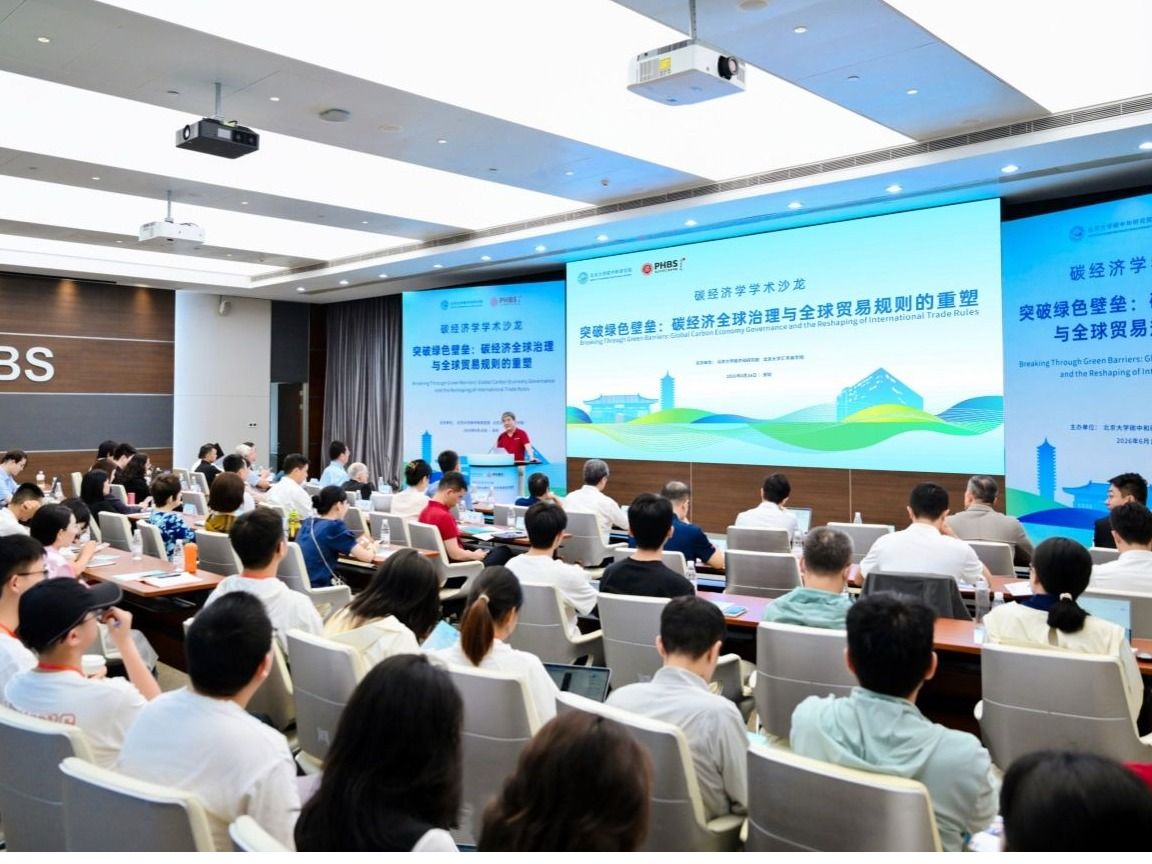
Prior to the forum, the PHBS Think Tank and the China Economic Journal jointly launched a call for papers centering on the forum's theme. A total of 29 outstanding papers were selected and presented in five parallel sessions, sparking in-depth academic exchanges.
Cen Wei, secretary-general of the PHBS Think Tank, delivered the closing remarks. He extended sincere gratitude to all guests, speakers, and participants for their insightful presentations and productive discussions.
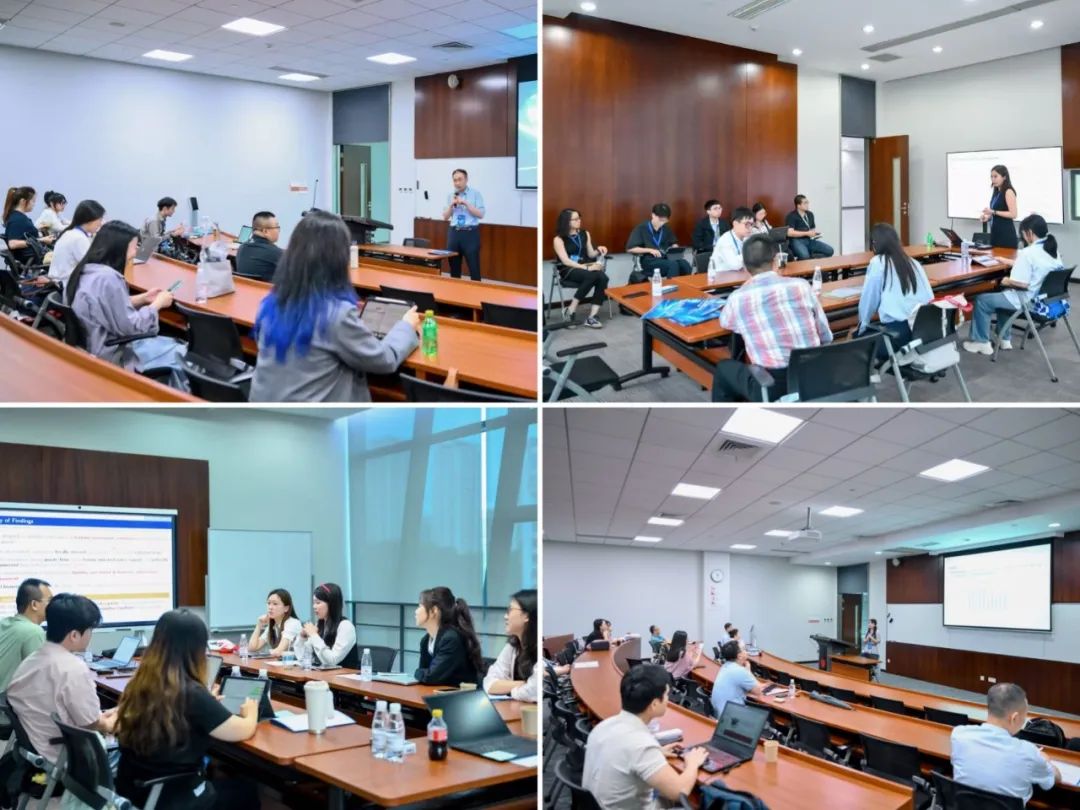
Parallel Sessions
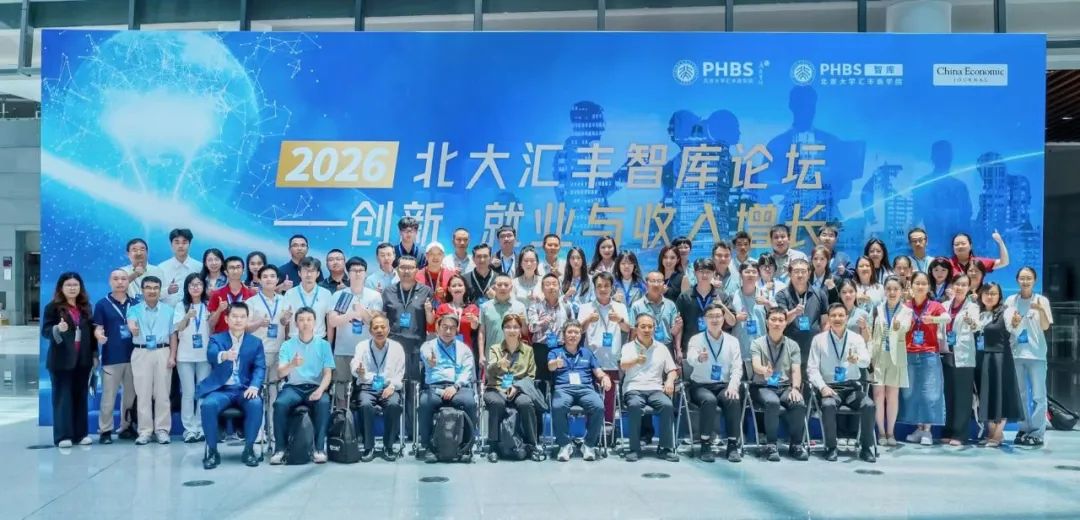
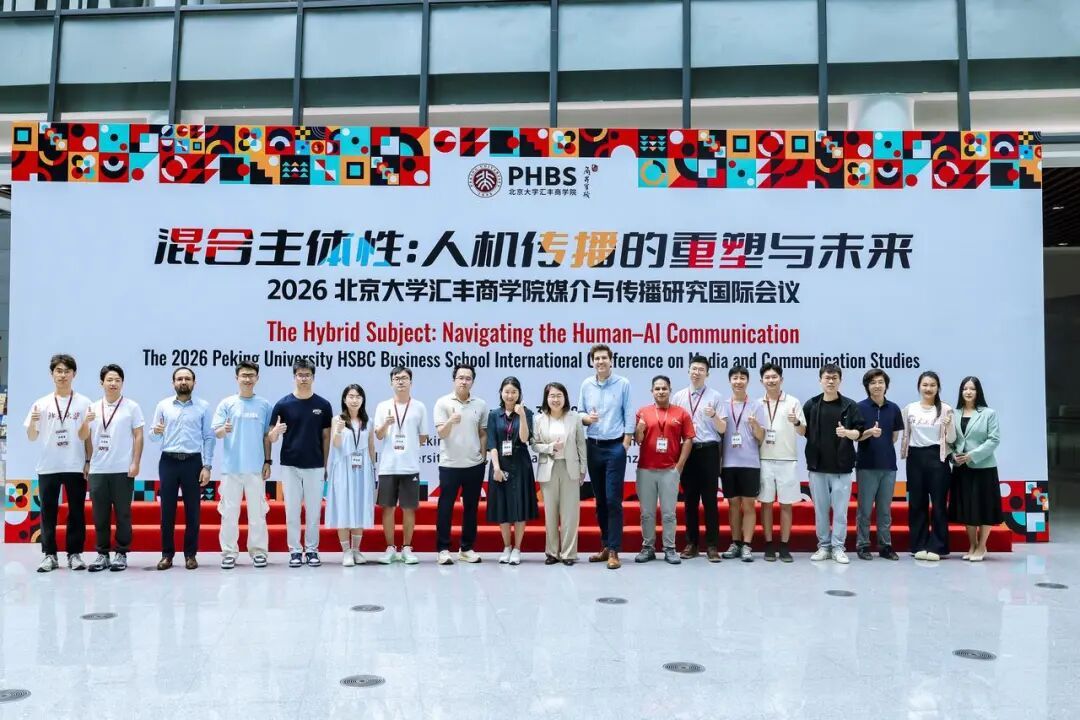
Group photo
Looking ahead, the PHBS Think Tank will continue to leverage its strengths in academic research and policy consultation, focus on major national and regional development priorities, and strive to produce high-quality research output that contribute to the high-quality development of the economy and society.
Source: PR & Media Office, and Research Office