As economic uncertainties continue to reshape global trade and the Asia-Pacific region faces both headwinds and renewed momentum for integration, the 2026 Peking University Shenzhen Forum convened on March 28 to bring together leading voices from academia, policy, and business. Initiated by Peking University HSBC Business School (PHBS), the forum drew over a thousand participants, including renowned experts and scholars in economics, international relations, and technology.
Building on the foundation of previous years' discussions on reform and innovation, this year's forum was held under the theme "Mutual Trust and Prosperity: Forging a New Vision of Asia-Pacific Cooperation,” providing a platform for in-depth dialogues on global trade governance, regional cooperation, green globalization, and the pathways to sustainable growth.
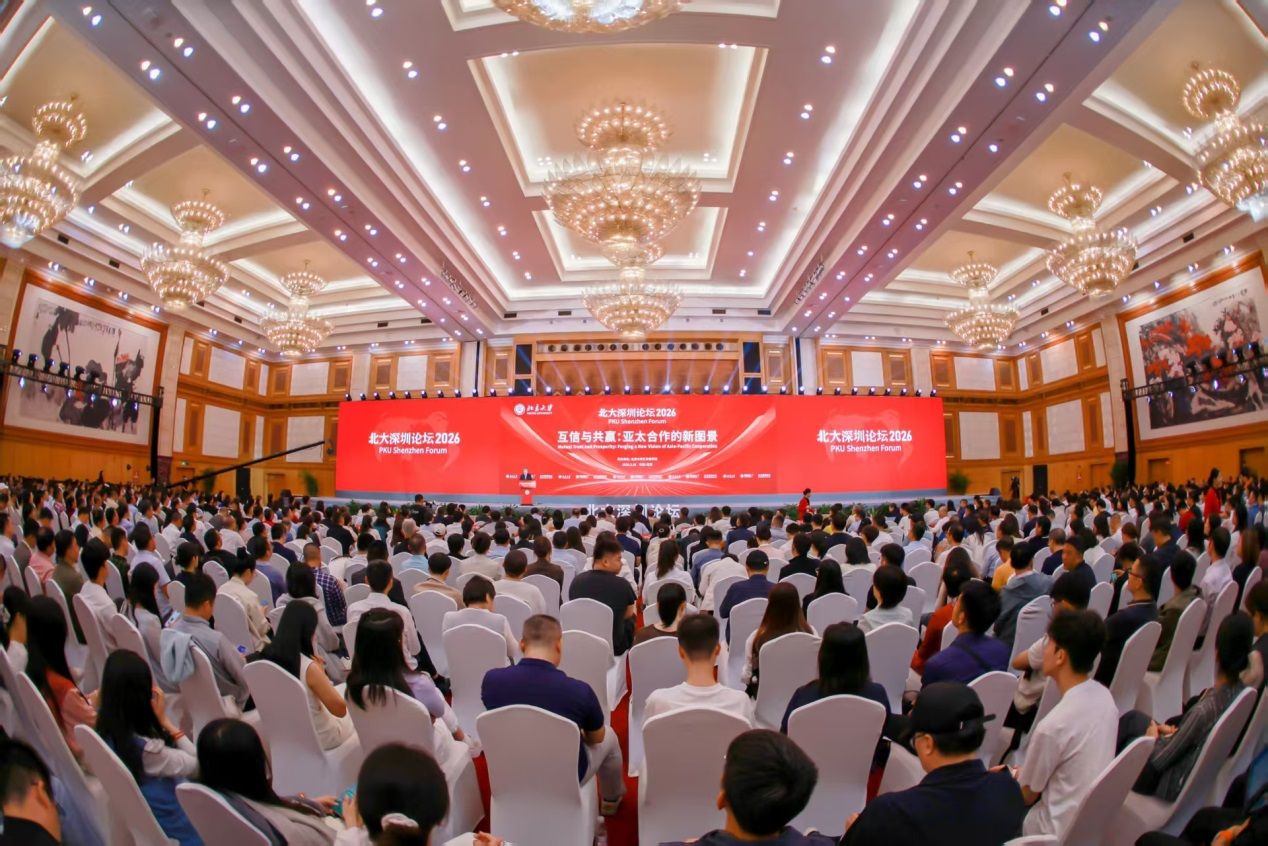
PKU Shenzhen Forum 2026
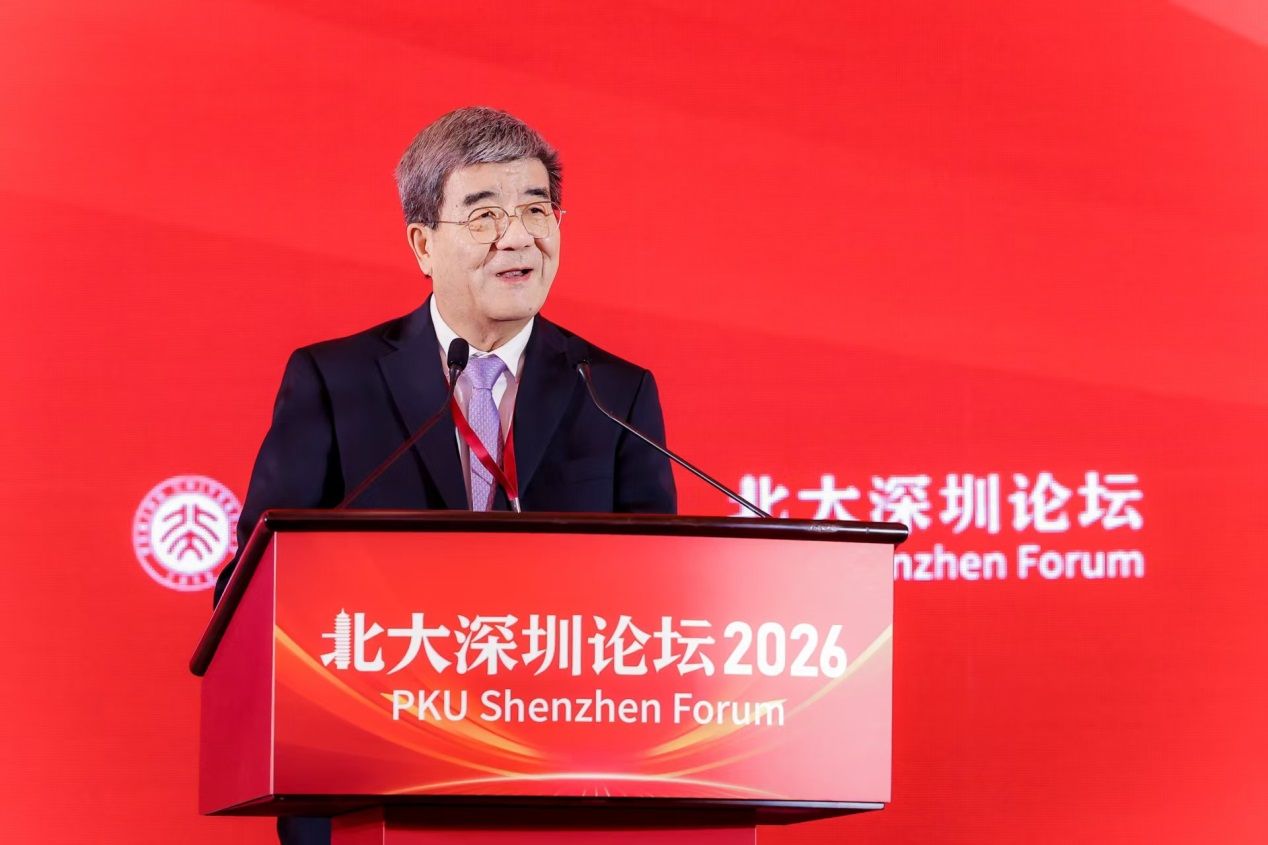
Hai Wen, Vice Chairman of the Peking University Council (former Vice President) and Founding Dean of PHBS, presides over the forum
Hai Wen noted that this November, Shenzhen will host the 33rd APEC Economic Leaders' Meeting. APEC's founding mission, he said, is to uphold free and open trade and investment, accelerate regional economic integration, and foster a sound and sustainable business environment—a mission that has taken on renewed importance amid today's global turbulence. This year's forum theme, “Mutual Trust and Prosperity: Forging a New Vision of Asia-Pacific,” he added, reflects that "original aspiration.”
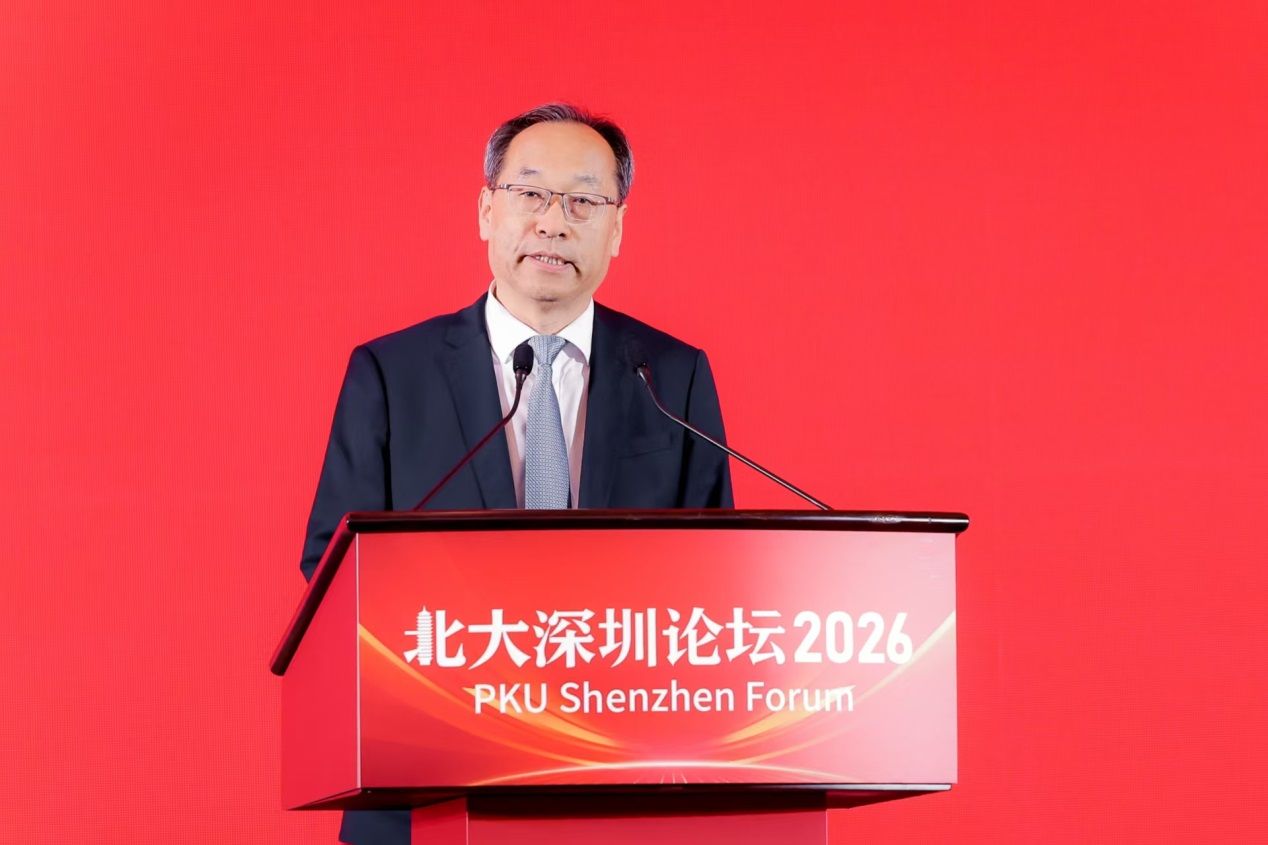
Zhang Jin, Academician of the Chinese Academy of Sciences, Member of the Standing Committee of the Party Committee of Peking University, Executive Vice President of Peking University, and Chancellor of PKU Shenzhen Graduate School
Zhang Jin noted in his address that the PKU Shenzhen Graduate School serves as the Peking University’s bridgehead—rooted in Shenzhen, embracing the Greater Bay Area, and looking out to the world—while PHBS stands as a pioneer in the university's international engagement and a benchmark for China's globally-oriented business education. He expressed his hope that the PKU Shenzhen Forum 2026 would carry forward this spirit of openness, serving as a bridge for innovation and cooperation and a platform for cross-cultural dialogue, to build new consensus and inject fresh momentum into advancing the vision of a shared Asia-Pacific community and promoting regional growth and prosperity.
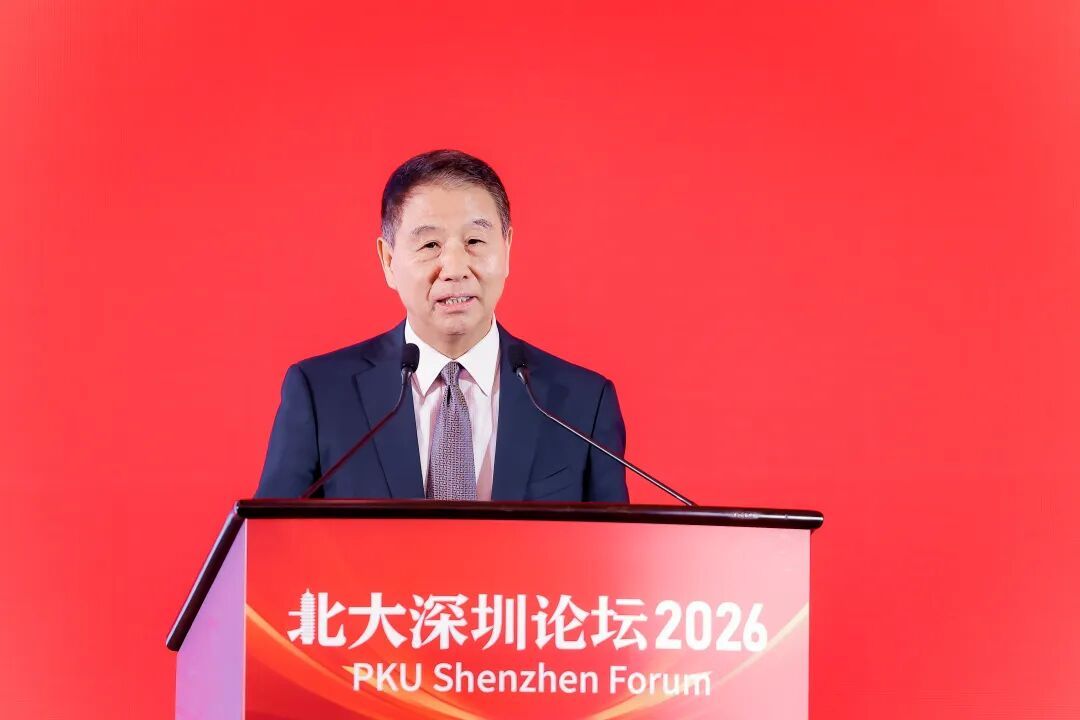
Yi Xiaozhun, former Deputy Director-General of the World Trade Organization, former China Ambassador to the WTO, and former Vice Minister of Commerce
Yi Xiaozhun noted that China's WTO accession was a landmark event, and stressed the need to stay focused on the right direction of WTO reform, respond rationally to the impact of the US-initiated trade war, and play an active role in the reform process. To that end, China should adhere to the core principles of APEC’s trade and investment liberalization and facilitation, and demonstrate its commitment to opening up through market opening measures and high-standard rule negotiations. Most importantly, Shenzhen—an exemplar of China's vibrant private sector and resilient innovation—can serve as a powerful testament to the country's openness and dynamism.
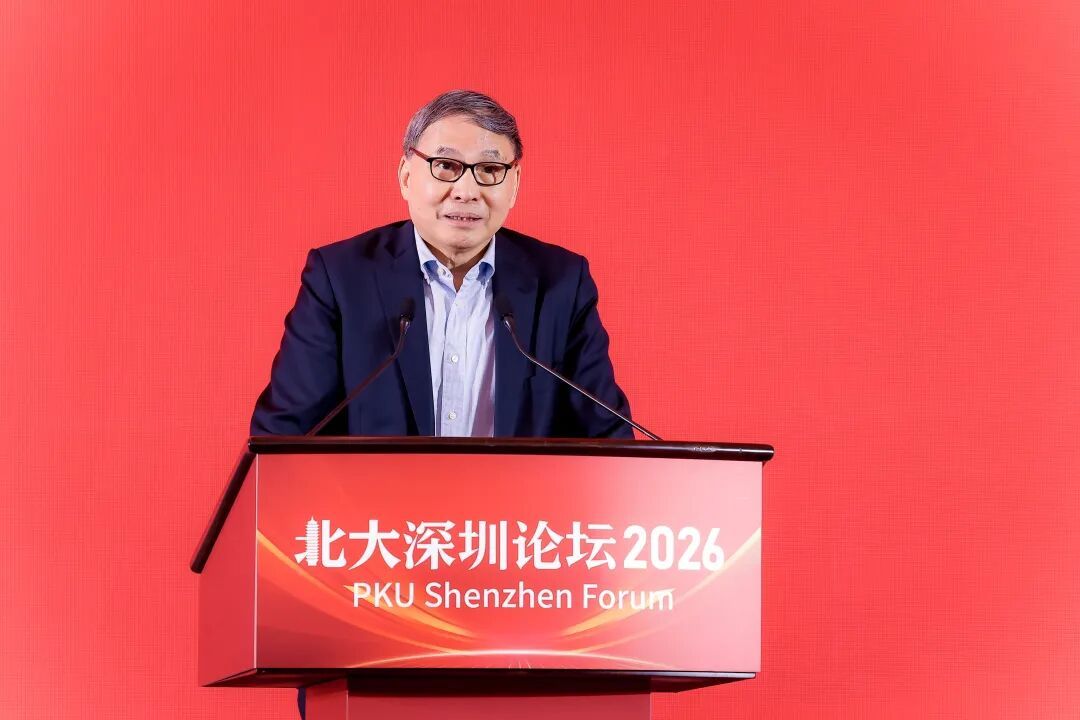
Zheng Yongnian, Dean of the School of Public Policy at the Chinese University of Hong Kong, Shenzhen, Director of the Qianhai Institute for International Affairs, and Chairman of the Guangzhou Institute of the Greater Bay Area
Zheng Yongnian delivered a keynote speech titled "Chinese Modernization and the Future of Asia-Pacific.”In his address, he outlined three major sources of uncertainty in today's world—geopolitical conflict, artificial intelligence, and global economic imbalances—alongside three certainties: the de facto G2 dynamic between China and the United States, Asia-Pacific's solid standing as the center of the global economy, and the inherent stability of China's development. Against this backdrop, he argued, China must advance high-standard opening up, and use the APEC summit in Shenzhen as an opportunity to break new ground through a more open and inclusive model of Chinese modernization.
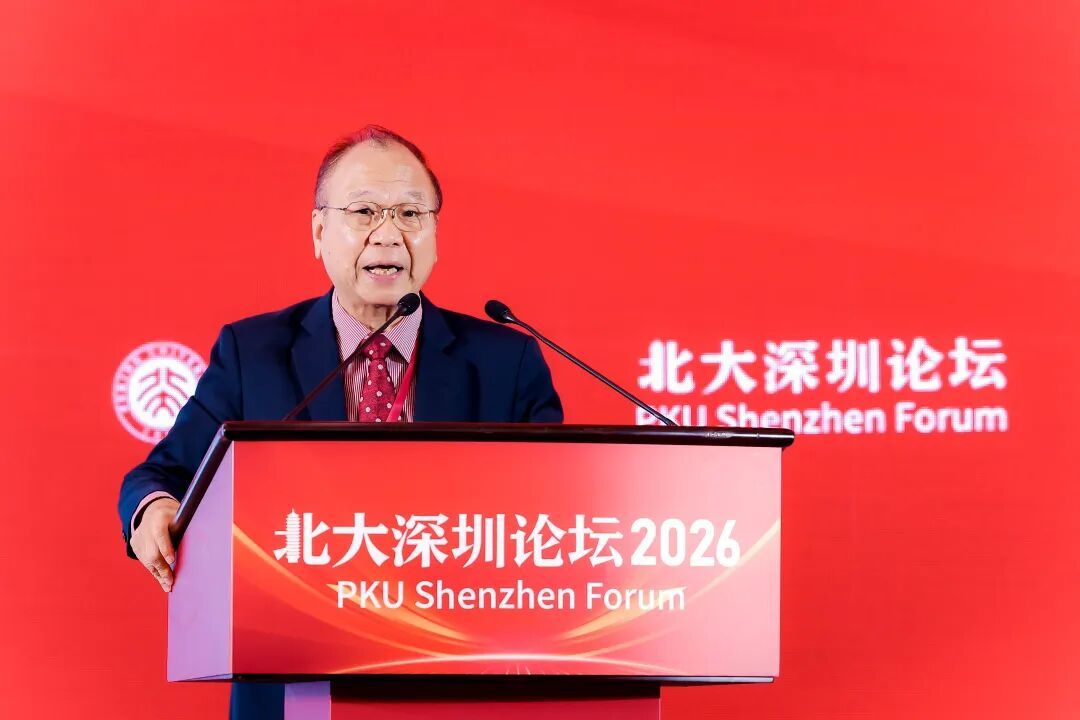
Wing Thye Woo, Vice President for Asia of the UN Sustainable Development Solutions Network (SDSN) and Distinguished Professor Emeritus at the University of California, Davis
Wing Thye Woo, delivered a keynote speech titled "Meeting the Challenges of Internal Economic Dynamism and Deglobalization." In his address, he pointed out that China should eliminate soft budget constraints and advance supply-side structural reforms to reverse the decline in total factor productivity and enhance economic resilience, thereby mitigating the impact of the ongoing restructuring of the global order. He stated that as the U.S.-hegemonic global order is collapsing, China should encourage middle powers to form the Atlantic-Pacific Sustainability Partnership (APSP) to strengthen the United Nations system as the new global governance architecture.
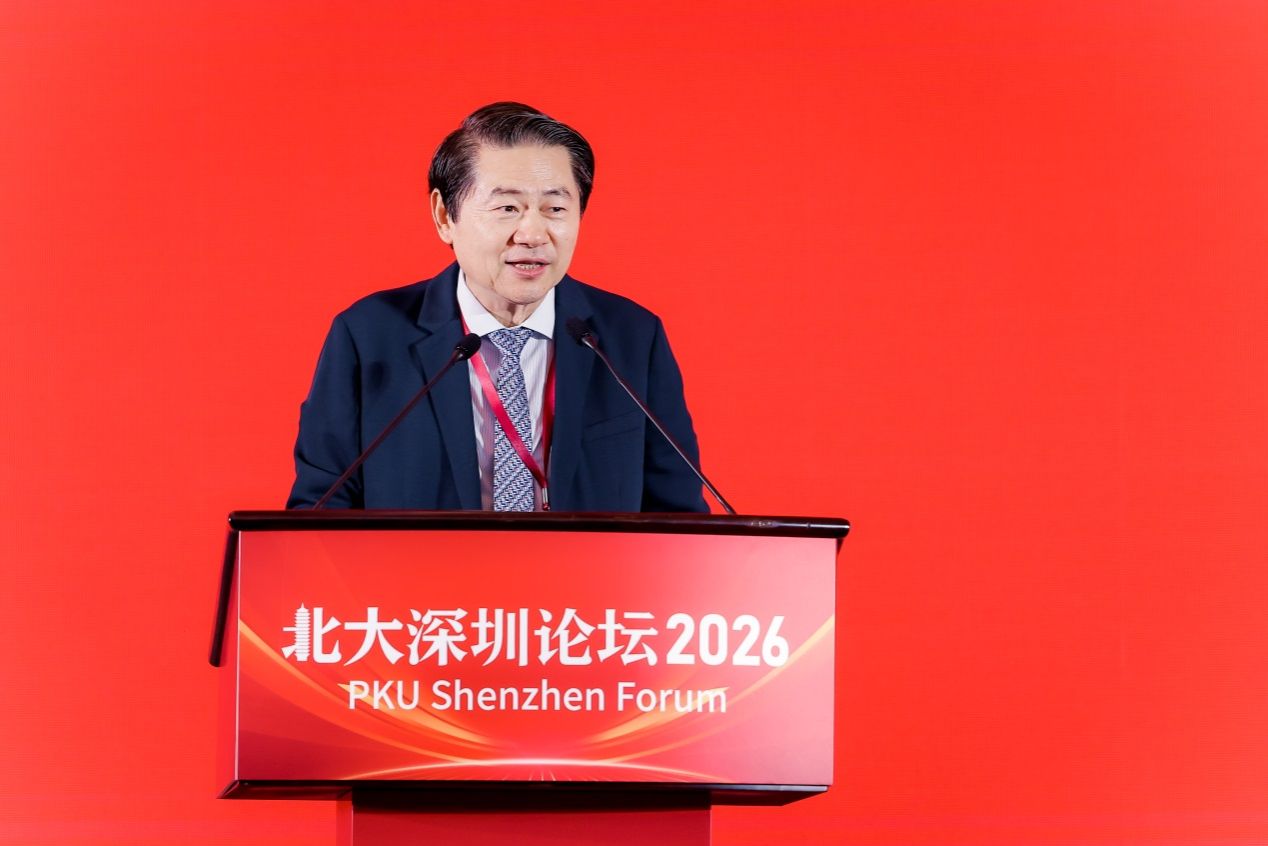
Wang Huiyao, Founder and President of the Center for China and Globalization (CCG) and former Counselor to the State Council of China
In his keynote speech titled "New Paradigms of Chinese Enterprise Going Global in the Context of Globalization Restructuring," Wang Huiyao noted that amid the accelerating global transformation, Chinese enterprises' going global has become an unstoppable trend. In the wave of green transition, Chinese companies are leading the way, moving from "in China, for the world" to "in the world, for the world" —a deeper stage of globalization. He also stressed that Chinese think tanks can contribute to this process by building bridges between China and the world, offering wisdom and strength for Chinese enterprise globalization and global governance.
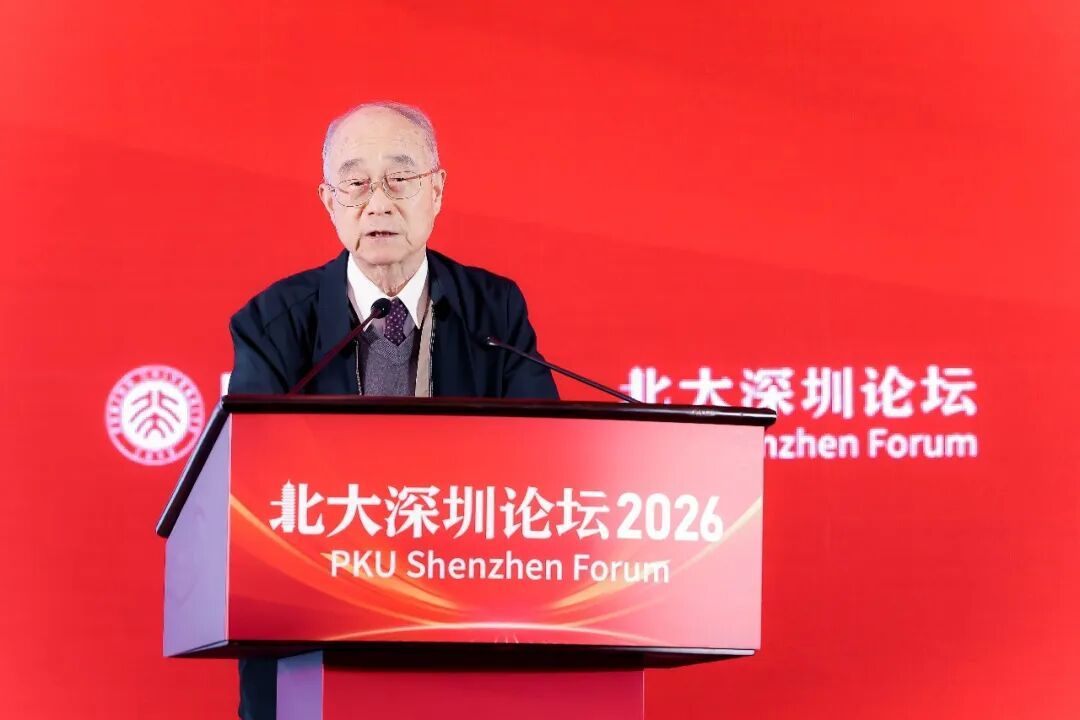
Professor Qian Chengdan, Boya Chair Professor of Peking University and Founding Dean of the Institute of Area Studies
Qian Chengdan delivered a keynote speech titled "Embracing a Diverse Asia for Cooperative and Mutually Beneficial Development." In his address, he elaborated on four key aspects: the global importance of Asia, the diversity of civilizations, the dialectic between commonality and individuality, and moving beyond the West-centric perspective. He noted that diversity is the essence of civilization, and Asia is a prime example of it. Asia has played an unparalleled role in the birth and development of human civilization. As the world faces new challenges in the 21st century, building a shared future for mankind based on coexistence and common prosperity should be the common mission and aspiration of all civilizations. Asia, he concluded, stands once again at a new historical starting point, ready to contribute to the shared destiny of humanity.
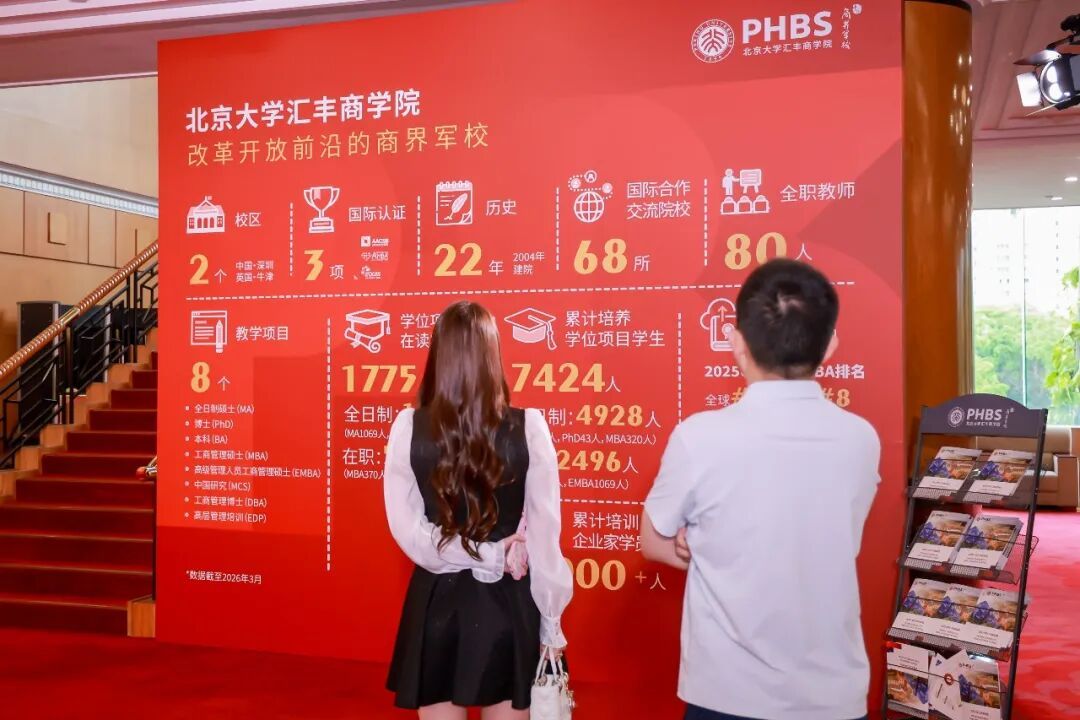
Attendees view the PHBS special exhibition board
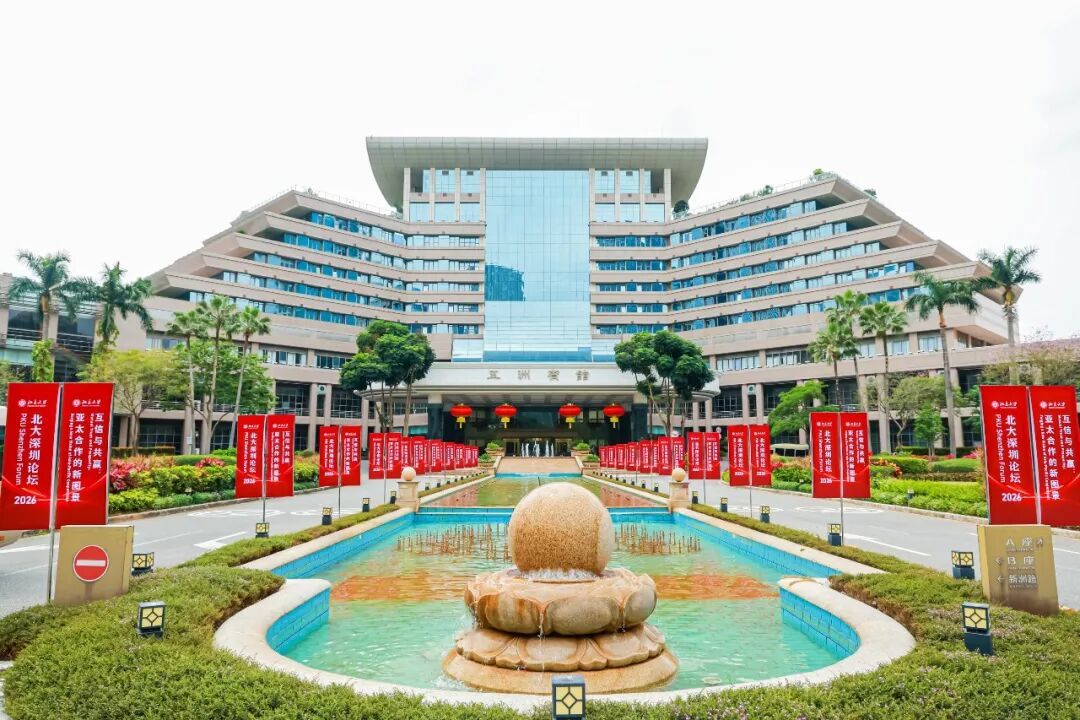
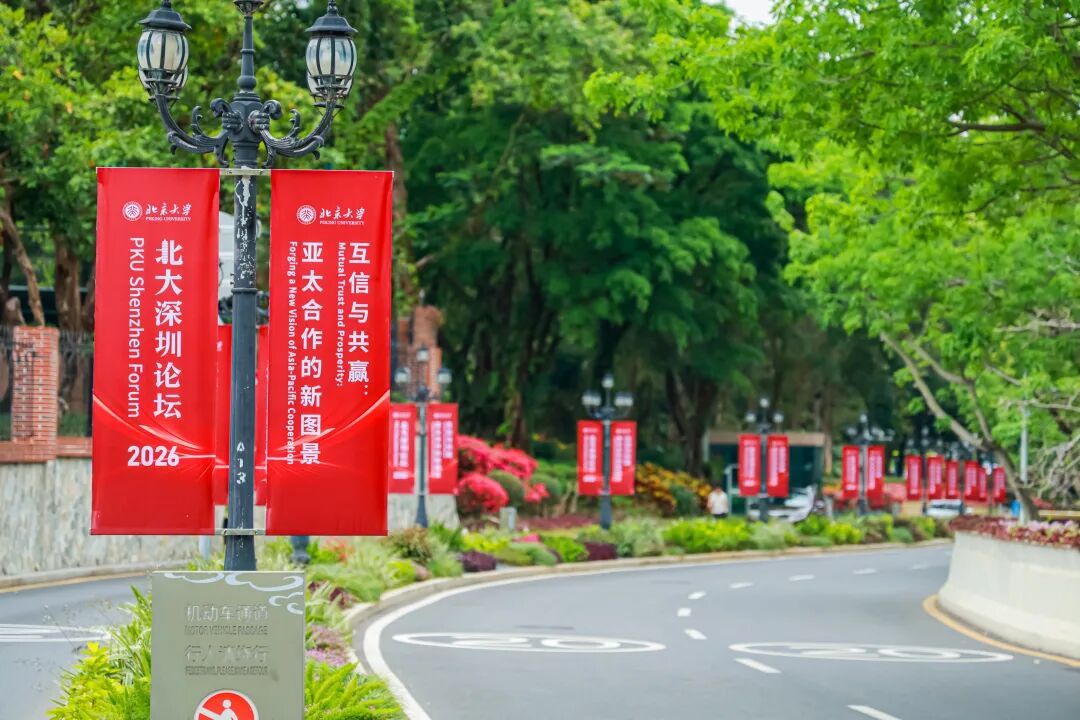
The forum venue
Initiated in 2007, the Peking University Shenzhen Forum has evolved into one of the city's most prominent annual events. Following its move off campus in 2021, the forum has broadened its scope from economics and finance to include technology and international relations. Serving as a bridge between academic thought leadership and real-world application, it provides a vital platform for Peking University to share intellectual insights and for Shenzhen to pilot innovative ideas. Looking ahead, the forum aims to inject fresh momentum into the development of Shenzhen, the Greater Bay Area, and the nation as a whole, while contributing more Chinese insights to the open development of the Asia-Pacific region and beyond.
By Annie Jin