When Silence Feels Luxurious.
Rethinking “Fast Replies” in Luxury E-commerce.
In an age where instant replies have become a customer expectation, could a touch of waiting actually make a brand feel more refined?
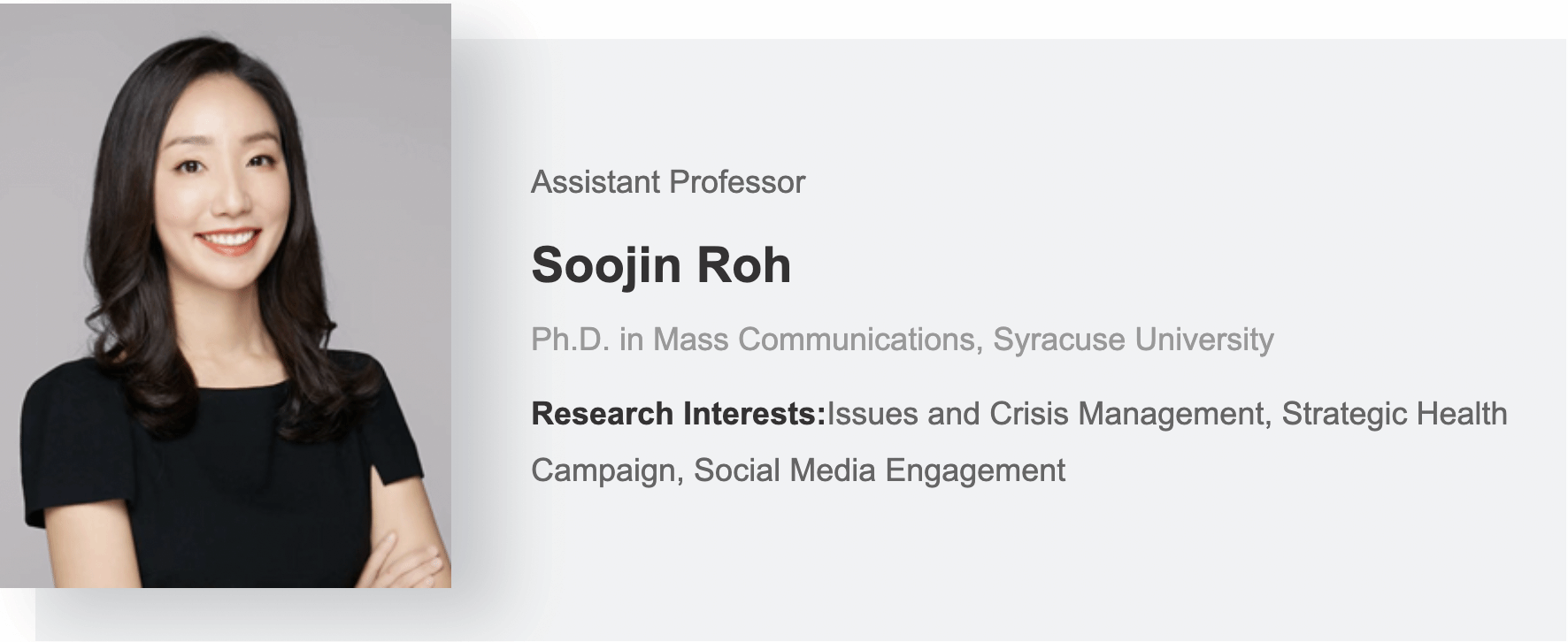
Assistant Professor Soojin Roh of Peking University HSBC Business School (PHBS) examines this question in her recent paper, “The Devil Replies Slowly: How the Response Speed of Online Luxury Retailers Affects Brand Attitude,” published in the International Journal of Electronic Commerce (IJEC).
The Devil Replies Slowly: How the Response Speed of Online Luxury Retailers Affects Brand Attitude
Published in International Journal of Electronic Commerce (IJEC)
While rapid responses are typically associated with efficiency and good service, the study finds that in the world of luxury, a measured pace can enhance a brand’s sense of exclusivity. It explores how response speed shapes consumer perceptions — and under what conditions deliberate slowness strengthens a brand’s aura of refinement.
Drawing on two experimental studies with 615 participants, the research examines how response timing shapes brand attitude through two mediating factors:
Perceived exclusivity — how rare and premium the brand feels.
Interaction quality — how attentive and considerate the service feels.
It also tests moderating factors such as product availability and service tone (polite vs. rude).
Key Findings
A slower reply can increase perceived exclusivity and strengthen positive brand attitudes — but only when the product is available and the service tone is courteous. Slow responses also tend to reduce perceived interaction quality, creating a trade-off between luxury appeal and customer satisfaction.
When politeness is lacking, however, delay turns from refinement to frustration: a slow and rude response damages brand attitude most severely.
Introducing the concept of “abundant rarity,” the paper reveals that luxury brands can convey exclusivity not only through scarcity of products but also through measured, intentional online interactions. In doing so, it challenges the assumption that speed universally signals quality, suggesting that in luxury, time itself becomes part of the brand experience.
About the Researcher
Dr. Soojin Roh is an Assistant Professor of Communication at Peking University HSBC Business School. Her research focuses on digital communication, consumer psychology, and cross-cultural engagement. Her work has appeared in the International Journal of Electronic Commerce, Public Relations Review, and Journal of Public Relations Research.